
Contents
Balance transfer cards can help you move high-interest debt to a lower introductory rate. However, the strategy works best with a clear payoff plan.
These cards may reduce interest costs for a limited period. Therefore, you should compare fees, terms, credit requirements, and repayment timelines before applying.
This guide explains how balance transfer cards work, when they make sense, and which mistakes can make debt more expensive.
How Balance Transfer Cards Work
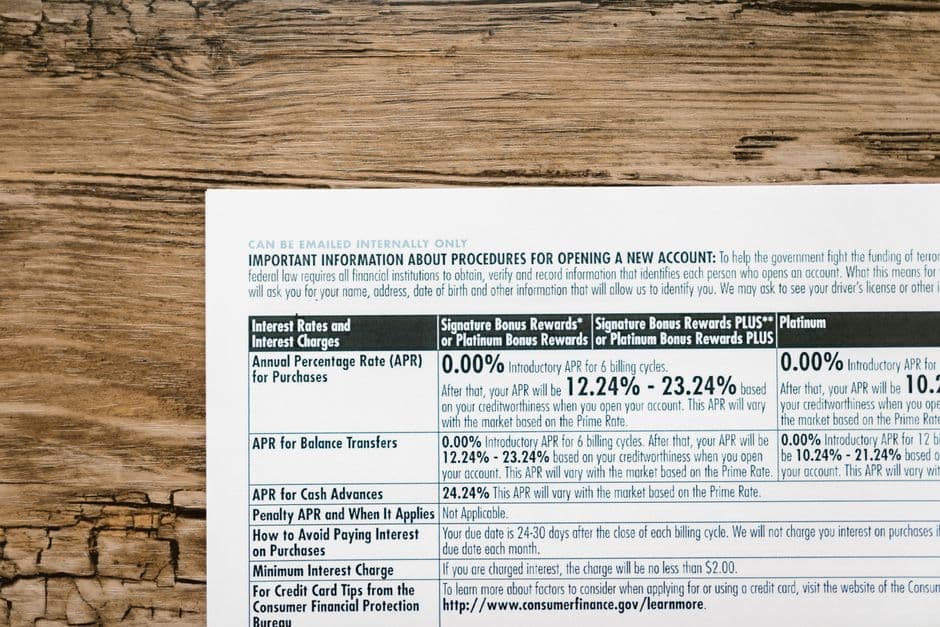
A balance transfer card lets you move eligible debt from one credit card to another. The new card may offer a temporary introductory annual percentage rate.
Usually, the issuer charges a balance transfer fee. The fee often equals a percentage of the transferred amount, although terms vary by card and applicant.
After the introductory period ends, the standard APR usually applies to any remaining balance. Therefore, calculate your payment before transferring debt.
Balance Transfer Cards and Their Main Costs
The introductory APR attracts many applicants, but the full cost deserves equal attention. Start with the balance transfer fee and any annual fee.
Next, check the regular APR for purchases and transferred balances. Moreover, confirm whether the promotional rate applies to new purchases.
Review the card agreement carefully before applying. The Consumer Financial Protection Bureau explains balance transfers and related costs.
UpCardsCredit card comparatorPick 2 cards and see, line by line, what changes between them.Use it →When Balance Transfer Cards Make Sense
Balance transfer cards may fit borrowers who have stable income and manageable debt. You should also have enough credit to qualify for useful terms.
The strategy works best when you stop adding new debt. Otherwise, new purchases can compete with your payoff goals.
Consider the transfer if you can repay the balance before the promotional period ends. Additionally, compare the total fee with your expected interest savings.
How to Choose Balance Transfer Cards
Compare the introductory APR, promotional length, transfer fee, and regular APR. Also, verify the issuer’s credit score expectations.
Check the transfer deadline because some issuers require transfers within a specific window. Then, confirm the minimum and maximum transfer amounts.
Look for practical features, such as automatic payment options and clear account alerts. You can learn more here about organizing a credit payoff plan.
Balance Transfer Cards and a Debt Payoff Plan
First, list every balance, interest rate, minimum payment, and due date. Next, choose a monthly payment that fits your budget.
Divide the transferred balance by the number of promotional months. Then, add a cushion for the transfer fee and unexpected expenses.
Set automatic payments for at least the minimum due. However, pay more whenever possible, and monitor the account every month.
Common Mistakes to Avoid
Do not assume a promotional APR lasts forever. Mark the ending date on your calendar, and review your progress regularly.
Also, avoid closing old accounts automatically. Closing an account can affect your available credit and overall credit history.
Finally, avoid transferring debt repeatedly without changing spending habits. A new card can delay the problem instead of solving it.
Frequently Asked Questions
Do balance transfer cards eliminate debt?
No. Balance transfer cards move debt and may reduce interest temporarily. You still need to repay the principal and any applicable fees.
Can I transfer debt from any credit card?
Not always. Issuers may restrict transfers between affiliated companies. They may also limit the amount you can transfer.
Will a balance transfer hurt my credit score?
Applying for a new card can create a hard inquiry. However, lower credit utilization may help your score over time.
Should I use the card for new purchases?
Usually, avoid new purchases during the payoff period. Purchase APR rules may differ, and new spending can slow your progress.
What happens when the introductory period ends?
The regular APR generally applies to the remaining balance. Therefore, create a payment schedule before the promotional period expires.
Conclusion
Balance transfer cards can support a focused debt repayment strategy. Still, they require careful comparisons and disciplined spending.
Calculate fees, estimate your monthly payment, and understand the regular APR. Moreover, choose a card that matches your realistic payoff timeline.
When you combine the right terms with consistent payments, a balance transfer may help you make meaningful progress toward financial stability.