
Contents
When you need to dispute credit card charge activity, act quickly and organize your information. A clear process can help you address billing errors, unauthorized purchases, or services that did not match the agreement.
Moreover, your rights may depend on the type of charge and your card issuer’s rules. This guide explains practical steps, important deadlines, and ways to follow up without creating unnecessary delays.
Dispute Credit Card Charge: Identify the Problem First
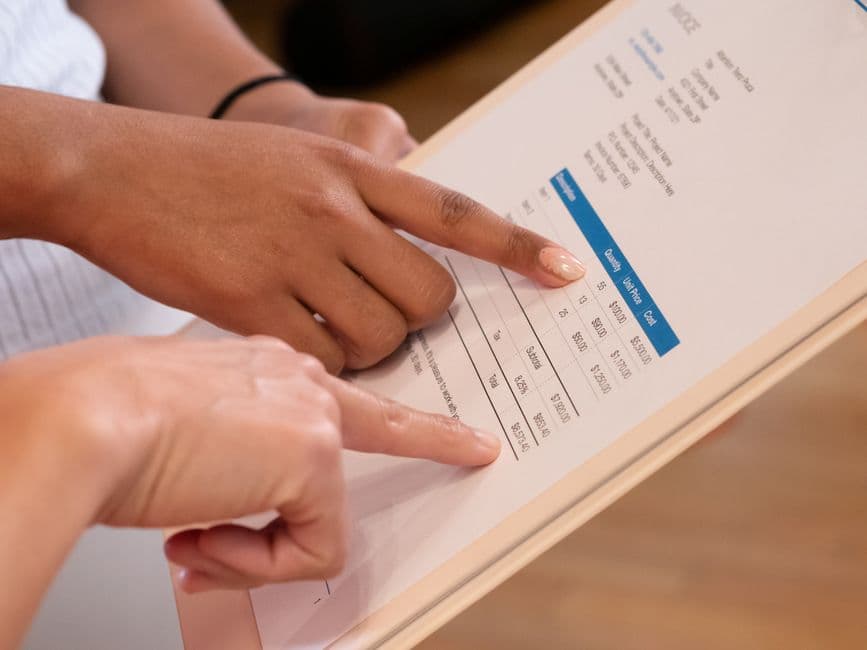
Start by reviewing the transaction on your statement. Check the merchant name, transaction date, amount, and any related receipt or confirmation email.
Next, classify the issue accurately. Common reasons include unauthorized use, duplicate billing, incorrect amounts, canceled services, or merchandise that never arrived.
However, a charge you simply regret may not qualify as a billing error. Therefore, contact the merchant first when the issue involves a service or purchase dispute.
Dispute Credit Card Charge Through the Merchant
Contact the merchant using a reliable channel, such as the company’s support page or official phone number. Explain the problem briefly and request a specific resolution.
Keep copies of emails, chat messages, invoices, cancellation notices, and shipping records. These documents can show what you purchased and how the merchant responded.
Moreover, give the merchant a reasonable opportunity to correct the issue. If the merchant refuses or does not respond, record the date and move to your card issuer.
UpCardsCredit card comparatorPick 2 cards and see, line by line, what changes between them.Use it →How to Dispute Credit Card Charge With Your Issuer
Use the phone number on your card or statement to report the problem. Ask about the issuer’s dispute process and the documents it needs.
Then submit your explanation through the issuer’s secure website, mobile app, or written billing-error address. Follow the issuer’s instructions carefully, because different channels may have different requirements.
Include the transaction details, the reason for your dispute, your merchant communications, and relevant supporting documents. Avoid emotional language, and describe the facts in chronological order.
Evidence and Deadlines for a Credit Card Dispute
Strong evidence connects the charge to your specific complaint. For example, a receipt can support an incorrect amount, while an account alert can support an unauthorized transaction.
Do not wait until the final billing cycle. Federal rules may provide protections for certain billing errors, but deadlines and procedures matter.
Therefore, read your statement and issuer notices carefully. The Consumer Financial Protection Bureau’s guidance explains key steps for billing disputes.
What Happens After You Dispute Credit Card Charge Activity
Your issuer may investigate the claim and request additional information. Respond promptly, and keep a complete file of every document you submit.
During the review, monitor your account for credits, corrections, replacement charges, or new statements. Moreover, continue paying unrelated amounts by the required due date.
If the issuer denies your claim, review the explanation carefully. You can ask questions, provide new evidence, or pursue another complaint route when appropriate.
Ways to Avoid Future Billing Problems
Use transaction alerts and review statements each month. These habits can help you notice suspicious activity before the problem grows.
Also, save purchase confirmations and cancellation records until the transaction fully clears. For recurring services, note renewal dates and cancellation terms.
Finally, protect your account information and report unauthorized activity quickly. You can learn more here about account monitoring and other consumer finance topics.
Frequently Asked Questions
Can I dispute a credit card charge I do not recognize?
Yes, contact your card issuer promptly when you do not recognize a transaction. First, check whether the merchant uses a different billing name. Then report the charge through the issuer’s official channel and follow its instructions.
Should I contact the merchant before filing a dispute?
Usually, contacting the merchant makes sense for delivery, service, or billing problems. However, report suspected fraud to your card issuer immediately. Keep records of every merchant conversation and response.
What evidence should I submit with my dispute?
Submit receipts, order confirmations, cancellation records, delivery information, account alerts, and relevant correspondence. Explain how each document supports your claim. Clear, organized evidence helps the issuer understand the timeline.
Do I still need to pay my credit card bill?
Continue paying undisputed amounts by the due date. Review your issuer’s instructions for the specific disputed amount. Missing unrelated payments can create separate fees or account problems.
Conclusion
To dispute credit card charge activity effectively, identify the issue, contact the right party, and preserve your evidence. Therefore, act promptly and follow your issuer’s process closely.
Moreover, careful records and regular statement reviews can reduce future problems. When the outcome remains unclear, ask the issuer for a written explanation and consider qualified consumer assistance.